- Welcome to FEFA Group
- 920009504
- +966508065935
- info@fefa-group.com

Alcohol Use Disorder: Nutrition During Recovery
Vavada Casino
24 November، 2022Vavada Casino
28 December، 2022
Understanding the impact of alcohol on nutritional deficiencies and the benefits of maintaining a balanced diet are essential components of a successful detox program. In general, healthy and nutritious foods are the best to eat when you first stop drinking alcohol. However, the realities of drug addiction don’t necessarily mean that a good diet won’t help. Eating right is part of overall wellness, and an alcohol recovery diet, for instance, can help those working to overcome addiction to feel better on the whole. A poor diet can result in stomach pain, headaches, weakness, fatigue and lethargy, creating an unwell feeling that those in recovery may attempt to remedy with substance use.

For Loved Ones: How to Support a Loved One’s Mental Health
- You will also learn about what foods to eat during alcohol detox and what foods you need to avoid in recovery.
- Following these guidelines and listening to your oral surgeon’s advice will help you recover comfortably and safely from dental surgery or tooth extraction.
- Unfortunately, many people attempt to quit drugs or alcohol on their own, which almost never works.
- These foods provide the essential vitamins, minerals, and antioxidants needed to repair damage and support overall health.
- In early recovery, it is important to eat a healthy diet so as to allow your liver and other organs time to rest and recover from any damage they may have incurred during chronic drinking.
The liver is responsible for filtering toxins, balancing nutrients, and supporting overall health. When alcohol best diet for recovering alcoholic use becomes heavy or long-term, the liver is forced to work overtime. Over the years, this strain can lead to fat buildup, inflammation, and scarring. Once alcohol use stops, the liver can begin healing, often sooner than people expect.
The Clean, Sober Diet: Tips for Eating Well in Recovery
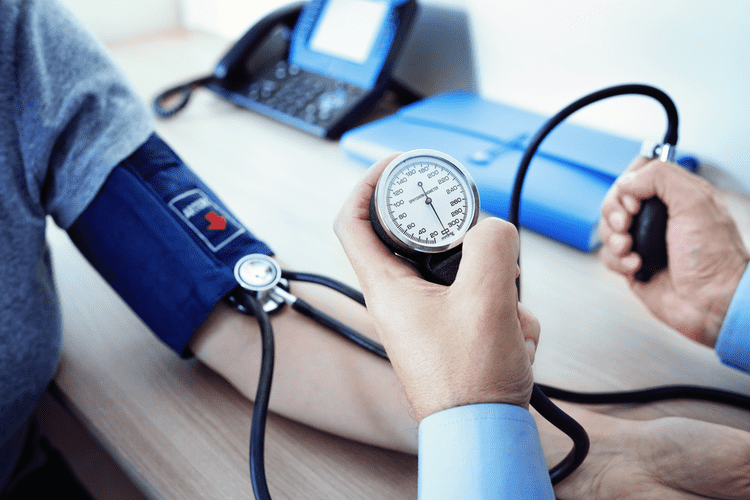
Know your triggers and be aware of foods or places that might make you crave alcohol. Make thoughtful choices when you’re buying groceries and look for beverages and snacks that can satisfy you without triggering cravings. The Reframe app can help you track your cravings and gain a better understanding of what to avoid.
The Benefits of Cognitive-Behavioral Therapy in Addiction Treatment
- They help combat oxidative stress and promote the liver’s natural detoxification processes.
- The body undergoes significant changes during this process, and symptoms like vomiting, diarrhea, and sweating can lead to dehydration.
- Here are a few recipes that are simple and easy to create in minutes and can be modified per taste.
- Eating disorders are complex mental health conditions that can have severe physical and emotional co…
- Before we get started, you might be wondering what causes alcohol withdrawal?
Therefore, it is crucial to understand the significance of nutrition during this phase of recovery. Maintaining a balanced intake of carbohydrates, proteins, and fats is critical. Carbohydrates provide energy, proteins support tissue repair, and healthy fats contribute to overall health and satiety.
Does the liver heal differently depending on how long someone has been drinking?
Sugary cereals, hot dogs and deli meats, frozen meals, Drug rehabilitation packaged snacks, baked goods and other heavily processed foods provide very few nutrients. They are usually high in inflammatory ingredients like saturated fats, refined sugars and preservatives that the liver must filter out of the body. Eating fresh, nutrient-dense foods replenishes nutrient stores, reduces inflammation to promote faster healing and avoids taxing the liver during the detox process.
- The information we provide while responding to comments is not intended to provide and does not constitute medical, legal, or other professional advice.
- If you have any questions about alcohol recovery diets, feel free to leave them in the comment box below.
It’s also vital to consult your doctor first to make sure your vitamin regime is appropriate and safe for you. Alcohol consumption often leads to a vitamin B deficiency because your body cannot properly absorb vitamin B when there is alcohol in your system. Even moderate amounts of alcohol can severely reduce the rate of vitamin B absorption, so it’s beneficial to boost vitamin B levels after you stop drinking. Our state-specific resource guides offer a comprehensive overview of drug and alcohol addiction treatment options available in your area. A woman’s poor diet when pregnant, especially if she drinks alcohol, can harm the baby’s growth and development in the womb.
